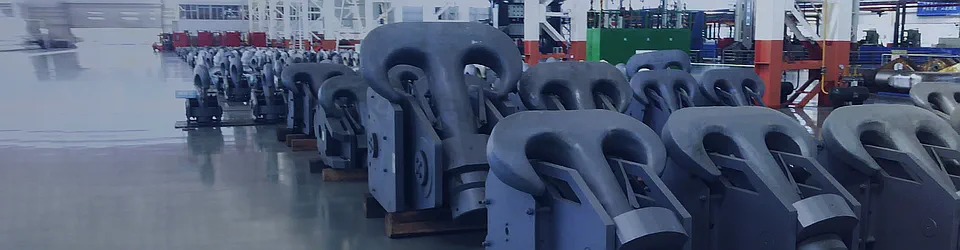
(Based on DIN 17101, DIN 17103 and DIN 17200, referenced by DIN 15400‑1990)
Note: DIN 17101, DIN 17103 and DIN 17200 are withdrawn historical German standards, but they are still widely quoted for traditional crane‑hook manufacturing. DIN 17101 / DIN 17103 cover fine‑grain normalized structural steels; DIN 17200 covers quenched‑and‑tempered (QT) steels for heavy‑load forged hooks. DIN 15400‑1990 specifies forged crane‑hook materials referring to these three standards, requiring hot die‑forging plus quenching‑and‑tempering treatment, continuous metal grain flow, and impact toughness test at −20 °C.
1. Fine‑grain normalized structural steels (DIN 17101 / DIN 17103)
This series covers normalized fine‑grain steels, suitable for medium‑duty forged lifting hooks, featuring good notch toughness and anti‑brittle‑fracture performance.
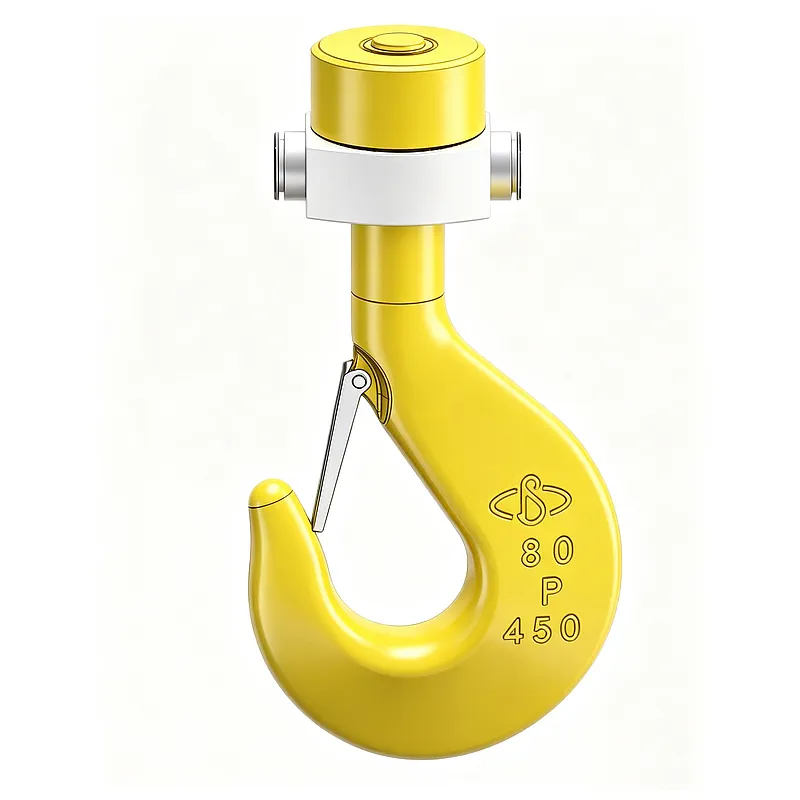
1.1 StE 285 (DIN 17103)
- Characteristics: Fine‑grain normalized steel, good low‑temperature impact resistance, stable mechanical properties after hot forging and normalizing. Cost‑effective for general‑purpose medium‑load hoisting.
- Limitations: Not suitable for heavy‑duty cyclic overload conditions.
- Typical application: Medium‑size crane hooks for general‑workshop lifting, static‑load hoisting.
1.2 StE 355 (DIN 17103)
- Characteristics: Higher yield and tensile strength than StE 285, excellent grain refinement performance, good fatigue resistance for repeated lifting cycles. Can substitute StE 285 for economic reasons per DIN 15400 notes.
- Typical application: Widely‑used medium‑heavy‑duty forged hooks for construction cranes, material‑handling equipment.
1.3 StE 420 (DIN 17101)
- Characteristics: Higher‑strength fine‑grain structural steel, higher load‑bearing capacity, stable performance under variable dynamic loads. Good hardenability after forging heat treatment.
- Typical application: Heavy‑duty forged single & double hooks for port machinery and medium‑sized metallurgical equipment.
1.4 StE 500 (DIN 17101)
- Characteristics: Top‑grade fine‑grain normalized steel in this group, high tensile strength, outstanding resistance to impact and overload. Strict grain‑size control required for lifting‑hook production.
- Typical application: Large‑tonnage forged crane hooks for heavy‑industry hoisting.
2. Quenched‑and‑tempered alloy steels (DIN 17200)
DIN 17200 specifies technical delivery conditions for quenched‑and‑tempered steels. These alloy steels are adopted for high‑strength heavy‑duty crane hooks, requiring full quenching & tempering after hot die‑forging.
2.1 34CrMo4 (DIN 17200)
- Characteristics: Chromium‑molybdenum alloy quenched‑and‑tempered steel. Excellent hardenability, balanced strength‑toughness combination, strong fatigue‑resistance under frequent dynamic lifting. Good impact‑toughness at low‑temperature working environment.
- Typical application: Heavy‑duty forged hooks for mining machinery, port cranes, engineering lifting equipment.
2.2 34CrNiMo6 (DIN 17200)
- Characteristics: Cr‑Ni‑Mo multi‑alloy QT steel. Superior toughness, high overload tolerance, outstanding anti‑brittle‑fracture performance under shock and variable load. Maintains reliable mechanical properties under harsh working conditions.
- Typical application: Large‑capacity double hooks for shipbuilding, heavy metallurgical and special‑engineering hoisting.
2.3 30CrNiMo8 (DIN 17200)
- Characteristics: Highest‑grade alloy steel for standard forged crane hooks under DIN 15400 system. Ultra‑high tensile strength, excellent fatigue‑life performance under long‑term heavy cyclic load. Strict forging and heat‑treatment control are mandatory.
- Typical application: Super‑heavy‑duty forged hooks for large‑scale port machinery and heavy‑load metallurgical equipment.
3. Mandatory manufacturing requirements referenced to DIN 17101, DIN 17103, DIN 17200 & DIN 15400‑1990
- Forging: Only hot die‑forging or free‑forging is permitted. Cast hooks are prohibited for safety‑relevant lifting service. Metal grain flow must follow the hook contour without interruption.
- Heat treatment: Fine‑grain steels from DIN 17101 / DIN 17103 shall be normalized; DIN 17200 alloy steels must be quenched and tempered. As‑forged state is not acceptable for finished load‑bearing hooks.
- Impact test: V‑notch impact test shall be conducted at −20 °C to verify anti‑brittle‑fracture capacity, samples taken from hook‑shank cross‑section.
- Documentation: Material test certificates shall be provided according to material‑standard requirements. Permanent marking of strength class, working‑load‑limit and manufacturer mark shall be made on each finished hook.
4. Material selection guide based on historical DIN standards
- General medium‑duty static hoisting: StE 285 / StE 355 (DIN 17103)
- Medium‑heavy‑duty cyclic‑load hoisting: StE 420 / StE 500 (DIN 17101)
- Heavy‑duty dynamic‑load industrial hoisting: 34CrMo4 (DIN 17200)
- Large‑tonnage, harsh‑condition heavy‑engineering hoisting: 34CrNiMo6 / 30CrNiMo8 (DIN 17200)
Conclusion
Forged lifting hooks designed per DIN 15400‑1990 select materials from three legacy standards: DIN 17101, DIN 17103 for normalized fine‑grain structural steels, and DIN 17200 for quenched‑and‑tempered alloy steels. Fine‑grain normalized steels cover medium‑to‑medium‑heavy‑duty applications, while DIN 17200 alloy QT steels serve heavy‑and‑super‑heavy‑duty working scenarios. Apart from steel‑grade selection, hot forging process and subsequent heat‑treatment are equally critical to guarantee hook safety performance.